
- UPSC LABS
- March 01, 2025
- 6:35 pm
- Ratings: ⭐⭐⭐⭐⭐
Genetic Engineering: Principles, Tools, and Applications
Genetic engineering is a revolutionary field of biotechnology that involves the direct manipulation of an organism’s genes using biotechnology. It is a set of technologies used to change the genetic makeup of cells, including the transfer of genes within and across species boundaries to produce improved or novel organisms. The field has grown exponentially since its inception, offering solutions to some of the most pressing challenges in medicine, agriculture, and environmental sustainability. For UPSC aspirants, understanding the principles, tools, and applications of genetic engineering is crucial, as it intersects with topics like biotechnology, ethics, environmental science, and India-specific advancements in science and technology.
Table of Contents
Principles of Genetic Engineering
Understanding DNA and Genes
At the core of genetic engineering lies the understanding of DNA (Deoxyribonucleic Acid), the molecule that carries the genetic instructions for the development, functioning, growth, and reproduction of all known organisms. DNA is composed of nucleotides, which form a double-helix structure. Genes are specific sequences of DNA that encode proteins or functional RNA molecules. Genetic engineering involves altering these sequences to achieve desired traits.
Central Dogma of Molecular Biology
The central dogma explains the flow of genetic information: DNA → RNA → Protein. Genetic engineering often targets one or more steps in this process. For instance, modifying DNA sequences can alter the RNA and, consequently, the proteins produced, leading to changes in an organism’s traits.
Recombinant DNA Technology
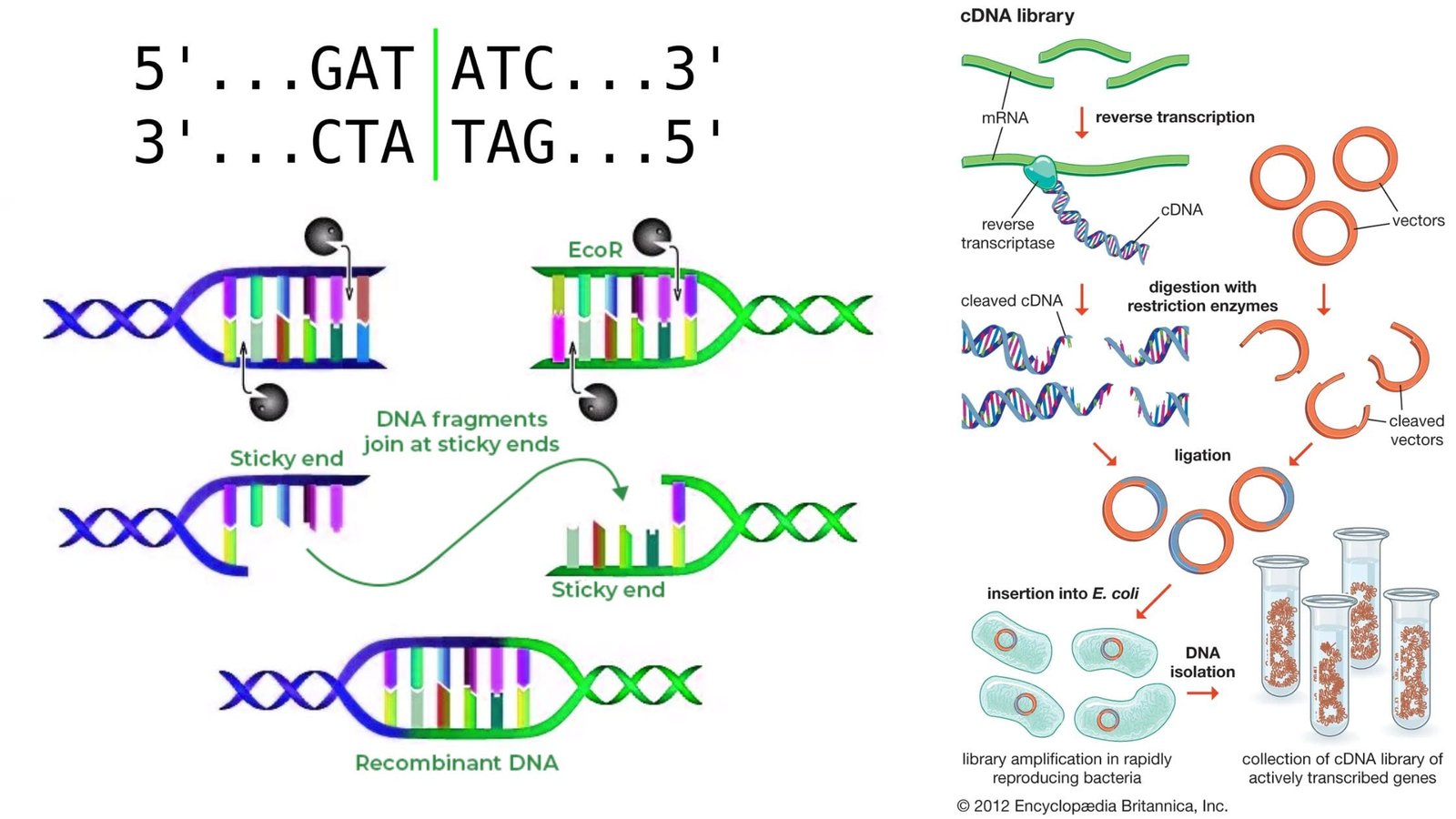
Recombinant DNA technology is the foundation of genetic engineering. It involves combining DNA from different sources to create new genetic combinations. This is achieved by cutting DNA at specific locations using restriction enzymes and joining the fragments using DNA ligase. The resulting recombinant DNA can be inserted into a host organism, where it is replicated and expressed.
Gene Cloning and Expression
Gene cloning involves creating identical copies of a gene. This is achieved by inserting the gene into a vector (e.g., plasmids, viruses) and introducing the vector into a host cell (e.g., bacteria, yeast). The host cell replicates the vector, producing multiple copies of the gene. Gene expression refers to the process by which the information in a gene is used to synthesize a functional gene product, such as a protein.
Genetic Modification and Genome Editing
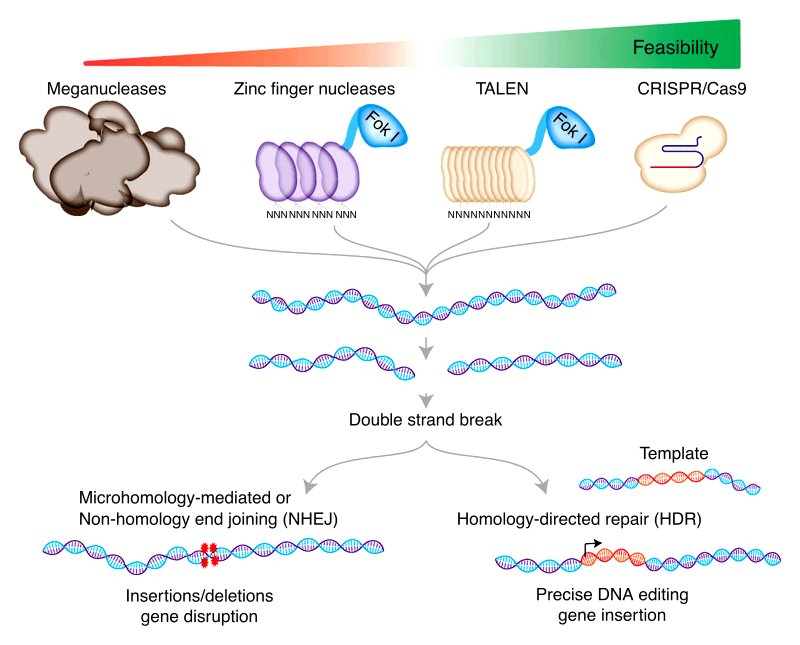
Genetic modification involves introducing, removing, or altering genetic material to change an organism’s characteristics. Genome editing, a more precise form of genetic engineering, uses tools like CRISPR-Cas9 to make targeted changes to an organism’s DNA.
Tools and Techniques of Genetic Engineering
Restriction Enzymes
Restriction enzymes, also known as molecular scissors, are proteins that cut DNA at specific sequences. They are essential for creating recombinant DNA. For example, the enzyme EcoRI cuts DNA at the sequence GAATTC.
Vectors
Vectors are DNA molecules used to carry foreign genetic material into a host cell. Common vectors include:
Plasmids: Circular DNA molecules found in bacteria.
Viruses: Modified viruses can deliver genes into eukaryotic cells.
Artificial Chromosomes: Used for cloning large DNA fragments.
Polymerase Chain Reaction (PCR)
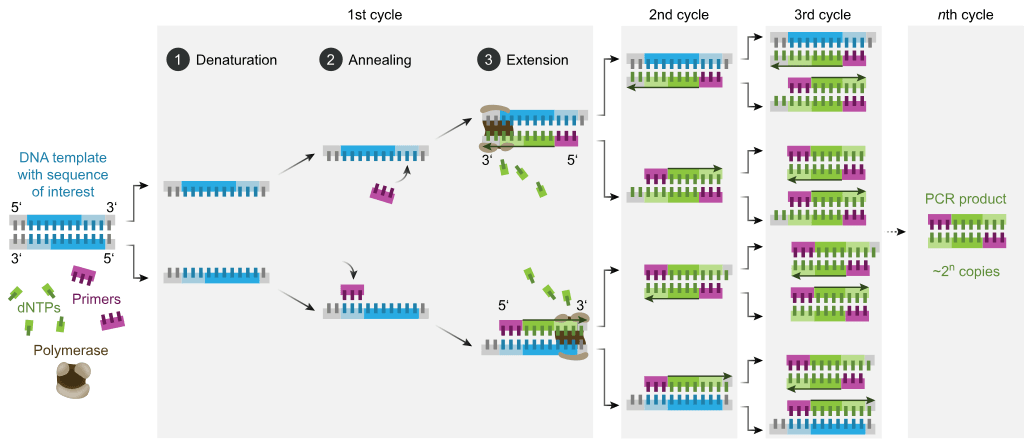
PCR is a technique used to amplify specific DNA sequences. It involves repeated cycles of heating and cooling to denature DNA, anneal primers, and extend new DNA strands using a heat-stable DNA polymerase. PCR is widely used in genetic engineering for cloning, sequencing, and diagnostics.
CRISPR-Cas9
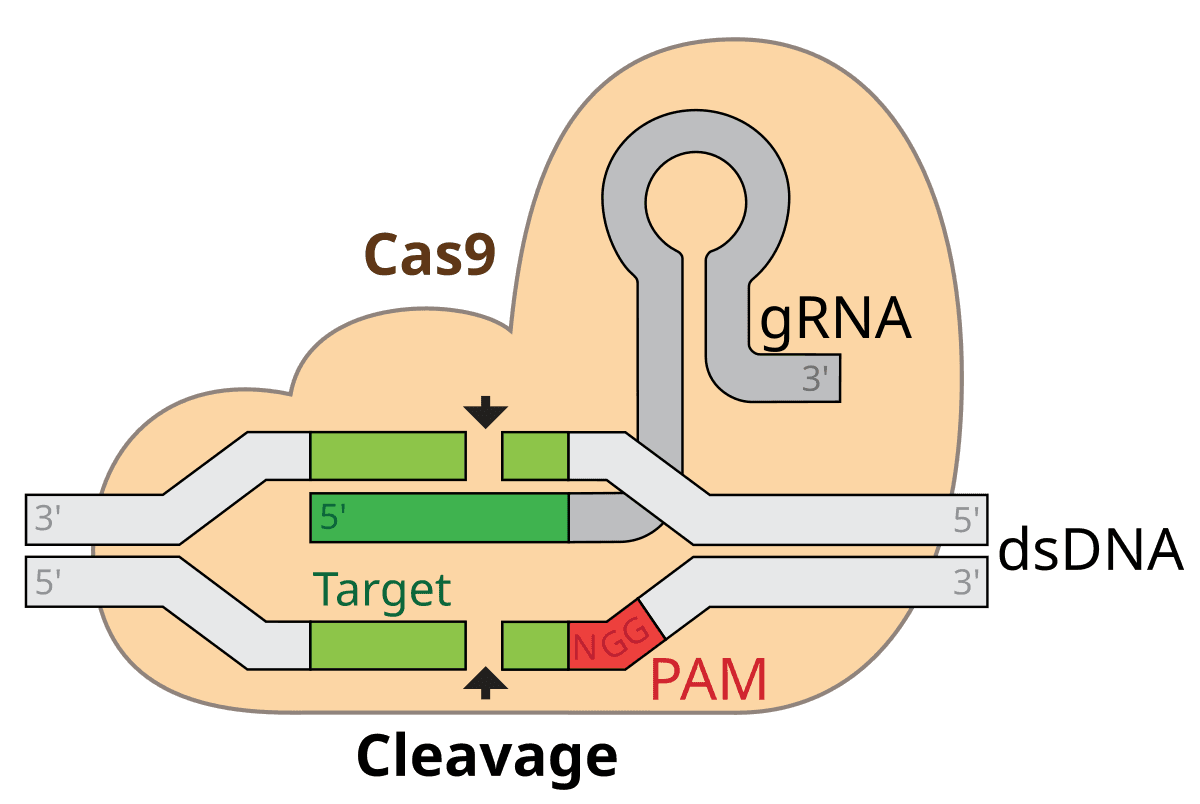
CRISPR-Cas9 is a revolutionary genome-editing tool derived from a bacterial immune system. It uses a guide RNA to direct the Cas9 enzyme to a specific DNA sequence, where it makes a precise cut. This allows scientists to add, remove, or alter DNA sequences with unprecedented accuracy.
Gene Guns and Electroporation
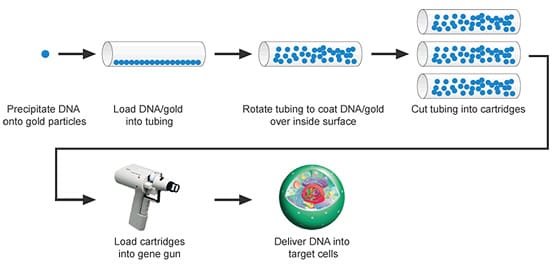
These are methods used to introduce DNA into cells. Gene guns shoot DNA-coated particles into cells, while electroporation uses electric pulses to create temporary pores in cell membranes, allowing DNA to enter.
DNA Sequencing
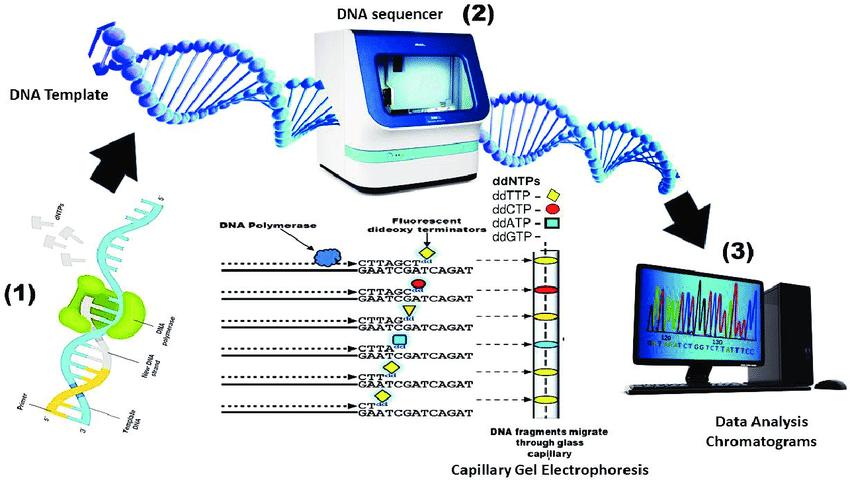
DNA sequencing determines the precise order of nucleotides in a DNA molecule. Techniques like Sanger sequencing and next-generation sequencing (NGS) have revolutionized genetic engineering by enabling the analysis of entire genomes.
Applications of Genetic Engineering
Medicine
Genetic engineering has transformed medicine by enabling the production of recombinant proteins, gene therapy, and personalized medicine.
Recombinant Proteins: Insulin, growth hormones, and vaccines are produced using genetically engineered bacteria or yeast.
Gene Therapy: This involves introducing functional genes into patients to treat genetic disorders like cystic fibrosis and sickle cell anemia.
CRISPR-Based Therapies: CRISPR is being explored for treating diseases like cancer and HIV.
Agriculture
Genetic engineering has revolutionized agriculture by creating genetically modified (GM) crops with improved traits.
Pest Resistance: Crops like Bt cotton produce toxins that kill pests, reducing the need for chemical pesticides.
Herbicide Tolerance: GM crops like Roundup Ready soybeans are resistant to specific herbicides, allowing farmers to control weeds more effectively.
Nutritional Enhancement: Golden rice, engineered to produce beta-carotene, addresses vitamin A deficiency.
Environmental Applications
Genetic engineering offers solutions for environmental challenges.
Bioremediation: Engineered microorganisms can clean up oil spills and degrade pollutants.
Biofuels: Algae and other organisms are engineered to produce renewable fuels.
Conservation: Genetic engineering is used to protect endangered species and restore ecosystems.
Industrial Biotechnology
Genetic engineering is used to produce industrial enzymes, chemicals, and materials. For example, engineered bacteria produce biodegradable plastics and biofuels.
Genetic Engineering in India
Historical Context
India has a long history of biotechnology research, with institutions like the Indian Council of Agricultural Research (ICAR) and the Department of Biotechnology (DBT) playing pivotal roles. The Green Revolution of the 1960s laid the foundation for agricultural biotechnology in India.
Key Achievements
Bt Cotton: India’s first GM crop, Bt cotton, was introduced in 2002. It has significantly increased cotton yields and reduced pesticide use.
Vaccine Development: India is a global leader in vaccine production, with companies like the Serum Institute of India using genetic engineering to produce vaccines for diseases like hepatitis B and COVID-19.
Biopharmaceuticals: India produces recombinant proteins like insulin and erythropoietin, making healthcare more affordable.
Regulatory Framework
India has a robust regulatory framework for genetic engineering, overseen by the Genetic Engineering Appraisal Committee (GEAC). The GEAC evaluates the safety and efficacy of GM crops and other genetically engineered products.
Challenges and Opportunities
Public Perception: Misinformation and fear about GM crops have hindered their adoption in India.
Research and Development: Increased investment in R&D is needed to develop GM crops suited to India’s diverse agro-climatic conditions.
Ethical and Social Issues: Balancing technological advancements with ethical considerations remains a challenge.
Future Prospects
India is poised to become a global leader in genetic engineering, with initiatives like the National Biotechnology Development Strategy aiming to harness biotechnology for sustainable development.
Ethical, Legal, and Social Implications
Ethical Concerns
Genetic engineering raises ethical questions about the manipulation of life. Issues like designer babies, gene doping, and biodiversity loss require careful consideration.
Legal and Regulatory Issues
Countries have varying regulations for genetic engineering. In India, the Environment Protection Act, 1986, governs the use of genetically modified organisms (GMOs).
Social Implications
Genetic engineering can exacerbate social inequalities if access to its benefits is not equitable. Public awareness and education are essential to address these concerns.
Conclusion
Genetic engineering is a transformative field with the potential to address some of humanity’s most pressing challenges. Its applications in medicine, agriculture, and environmental sustainability are already making a significant impact. For India, genetic engineering offers immense opportunities to improve food security, healthcare, and environmental sustainability. However, it also poses ethical, legal, and social challenges that must be addressed through informed policymaking and public engagement.